Transport Getting Around Lagos: Ride-Hailing, Boats, Traffic Tips
Lagos is a city that never slows down. With more than 20 million residents and an ever-expanding network of roads and waterways, moving through it efficiently requires more than luck. Knowing how to navigate the city’s unique transport system can make your stay smoother and less stressful. From ride-hailing services to ferry routes and local traffic patterns, here’s what every traveller should know about getting around Lagos, and how staying in the right shortlet apartment can make all the difference.
Ride-Hailing Services: The Urban Standard
In Lagos, ride-hailing platforms such as Uber, Bolt, and LagRide have transformed daily commuting. They are reliable, easy to access, and available across most parts of the city. The convenience of booking a ride through an app saves you from negotiating fares or waiting long hours for taxis.
Availability is best in central areas like Victoria Island, Ikoyi, and Lekki, where most of the city’s business and leisure activities take place. Fares fluctuate with traffic and time of day, so booking outside peak hours often means faster pickups and lower costs.
For guests staying in well-situated shortlet apartments near these business districts, ride-hailing becomes even easier. The proximity to major roads and high-demand zones ensures shorter wait times and a smoother commute, whether you’re heading to a meeting or exploring Lagos nightlife.
The BRT System
The Bus Rapid Transit (BRT) system is one of Lagos’s most structured and affordable means of public transportation. Managed by Lagos Metropolitan Area Transport Authority (LAMATA), BRT buses operate on dedicated lanes across major routes, helping passengers bypass heavy traffic that often slows down private vehicles.
The service connects key areas such as Oshodi, Yaba, CMS, Ikorodu, Lekki, and Ajah, making it convenient for commuters who need to travel between the mainland and island quickly. Tickets can be purchased using the Cowry Card, a reloadable payment option that also works across ferries and some local bus services.
The Lagos Train System
Lagos is gradually building a modern rail network to ease traffic and improve daily commuting. The Lagos Blue Line, which currently runs from Marina to Mile 2, has become a dependable option for travelers who want to avoid the long queues and unpredictable delays common on the roads. Operated by the Lagos Metropolitan Area Transport Authority (LAMATA), the trains are electric, air-conditioned, and run on dedicated tracks that keep them separate from road traffic.
Fares are also paid through the Cowry Card, the same contactless payment card used on the BRT. Trains operate at regular intervals, especially during peak hours, making them a convenient alternative for both residents and visitors.
Exploring Lagos by Water
Not all Lagos journeys have to happen on land. With its vast network of lagoons and waterways, Lagos offers an alternative mode of transport that can save time and provide an entirely different view of the city.
Public and private boat operators run routes connecting key areas like Ikorodu, Lekki, and Victoria Island. During rush hour, water transport can cut travel time by half compared to the road. It’s also a more scenic way to experience Lagos, gliding past the city’s skyline while avoiding traffic gridlock.
Choosing accommodation near the waterfront adds convenience for travellers who plan to use ferries or private boats. Some shortlet properties are located just minutes from jetties, offering quick access to the water and an easy way to beat the city’s notorious traffic.
Traffic in Lagos: Understanding the Flow
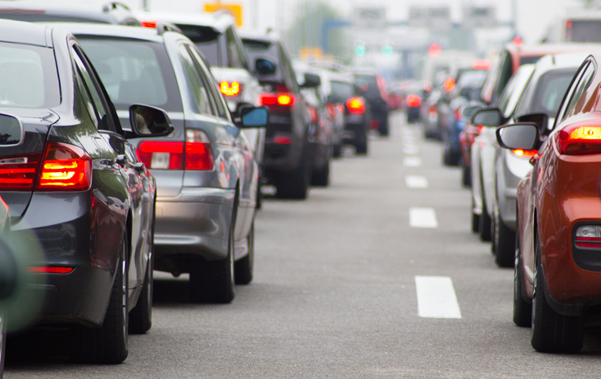
Traffic in Lagos is as famous as the city itself. It can be unpredictable, but not unmanageable if you plan ahead. The heaviest congestion usually occurs between 7 a.m. and 10 a.m., and again between 4 p.m. and 8 p.m. Major routes linking the mainland to the island, such as the Third Mainland Bridge and Lekki-Epe Expressway, often see the longest delays during these times.
Weather also plays a role. Heavy rain can slow movement significantly, and minor road repairs may add extra time to your trip. Many locals rely on navigation apps like Google Maps and Apple Maps to monitor traffic in real time before leaving home.
Guests staying at shortlet apartments in strategic locations benefit from easier mobility. Being close to major road networks, business hubs, and alternative transport options means less time spent in traffic and more time spent enjoying Lagos.
Choosing the Right Transport for Your Stay
Your choice of transport depends on where you stay and what your schedule looks like. If your shortlet apartment is located near major roads or business districts such as Victoria Island, Lekki, or Ikoyi, ride-hailing services like Uber or Bolt provide quick and convenient access to most parts of the city. Guests based closer to Oshodi, Yaba, or Mile 2 might find the BRT or Lagos Blue Line train system even more practical. Both operate on dedicated lanes or tracks, allowing faster movement during rush hours when traffic builds up.
Those staying near the waterfront can also take advantage of Lagos’s expanding ferry routes, offering a calmer and often faster commute between the mainland and the island. For short-term guests who enjoy exploring, combining different transport modes can make travel more efficient and enjoyable.
That’s why location matters. Well-positioned shortlets near both business and leisure hotspots give you the freedom to move around easily. A guest based in Ikoyi, for example, can reach Victoria Island or Lekki in minutes and still be close to the jetties if they prefer a boat commute.
Staying in such prime areas also means better access to essential services like groceries, restaurants, and entertainment spots. It’s a level of convenience that makes navigating Lagos far simpler, no matter how long you plan to stay.
Safety and Comfort Tips
Navigating Lagos is smoother when you keep safety and comfort in mind:
- Verify driver details on ride-hailing apps before entering the car.
- Use recognized boat operators and wear life jackets on water trips.
- Carry small cash for short rides, tolls, or quick purchases.
- Travel earlier in the day when possible to avoid late-night congestion.
- Always plan an alternate route or backup option in case of sudden delays.
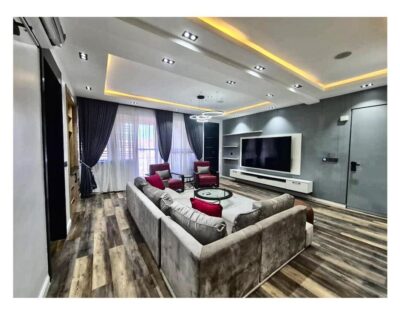
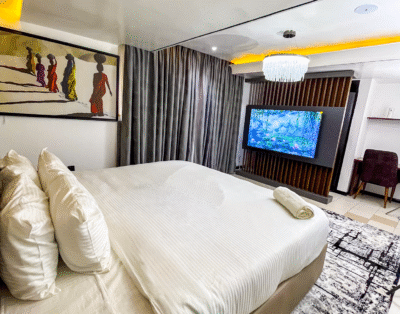
Having a comfortable, fully-serviced apartment to return to makes all the difference after a long commute. That’s where Dreamfield Nest comes in, combining convenience, security, and relaxation in one place.
Whether you’re visiting for a few days or a few weeks, staying with us gives you the best of both worlds: accessibility and peace of mind in one of Africa’s busiest cities. Check out our properties here.